

by Bill Bernardoni
Ever feel like your marketing metrics are putting on a magic show? The numbers look dazzling, the graphs go up and to the right, but somehow, your business isn’t growing. If that sounds familiar, you’re not alone—and you’re not crazy. You’ve just fallen into the surface-level metrics trap.
The Dashboard Delusion
Tracking metrics is essential. But the problem is, not all metrics are created equal. Many businesses unknowingly obsess over numbers that look impressive but don’t actually reflect impact. These are the so-called “surface-level metrics”: likes, views, impressions, followers.
Don’t get us wrong—these metrics aren’t completely useless. They serve a purpose, especially in brand awareness campaigns. But when they become the north star of your strategy? That’s when the trouble starts.
Think of surface-level metrics like Cam Smith of the Houston Astros, a rookie infielder crushing it in 2025 spring training. He lit up the preseason stat sheets with a .342 batting average, 4 home runs, 11 RBI, a .419 on-base percentage, and a 1.130 OPS—numbers that had fans and analysts buzzing about a breakout year. But once the regular season hit, reality sank in—his average dropped to .200 with a .286 on-base percentage and a .566 OPS, with 2 RBI and 0 home runs as of April 10. It looked good on the surface, but it didn’t translate into wins when it mattered. In marketing terms, these metrics rarely correlate with revenue, customer retention, or long-term growth.
Metrics That Make You Feel Good vs. Metrics That Drive Business
Let’s break it down.
Surface-Level Metrics:
- Social media likes
- Page views
- Video views
- Follower counts
- Email open rates
These are easy to track, and they give the illusion of success. But they often lack context. A post that goes viral might get 100,000 views—but if only five people click through to your website, is there any actual value? No, of course not.
Value Metrics:
- Conversion rate
- Customer acquisition cost
- Customer lifetime value
- Engagement-to-action ratio
- Revenue per lead
These metrics take more effort to measure, but they’re rooted in outcomes, not optics. They show whether your marketing is actually doing what it’s supposed to do: drive meaningful action.
According to a 2023 Gartner report, 71% of CMOs admitted to reporting on metrics they don’t fully trust—usually because they’re under pressure to show quick wins (source).

Why We Fall for Surface-Level Metrics
There’s a psychological pull behind surface-level metrics. They’re public. They’re easy to understand. They feel like social proof.
Plus, many platforms are designed to make these numbers front and center. Instagram shows likes. YouTube counts views. LinkedIn boosts posts with high engagement.
It’s not just ego—it’s dopamine. Research from Harvard University has shown that receiving likes and shares activates the brain’s reward centers, much like food or money (source).
The Real Cost of Chasing the Wrong Numbers
Here’s where the surface-level trap gets dangerous. Optimizing your strategy around these metrics can lead to:
- Clickbait content that doesn’t reflect your brand
- High reach but low retention
- Inflated ad spend chasing broad impressions
- Misguided creative decisions
Clickbait is especially risky. It might deliver quick hits of traffic, but it erodes brand trust over time. When your audience realizes your content doesn’t match the hype, they’re less likely to engage again—and far less likely to convert. It’s a short-term win that often leads to long-term damage.
Worse, your team might end up burning out chasing metrics that never move the revenue needle.
Don’t Kill Surface-Level Metrics—Contextualize Them
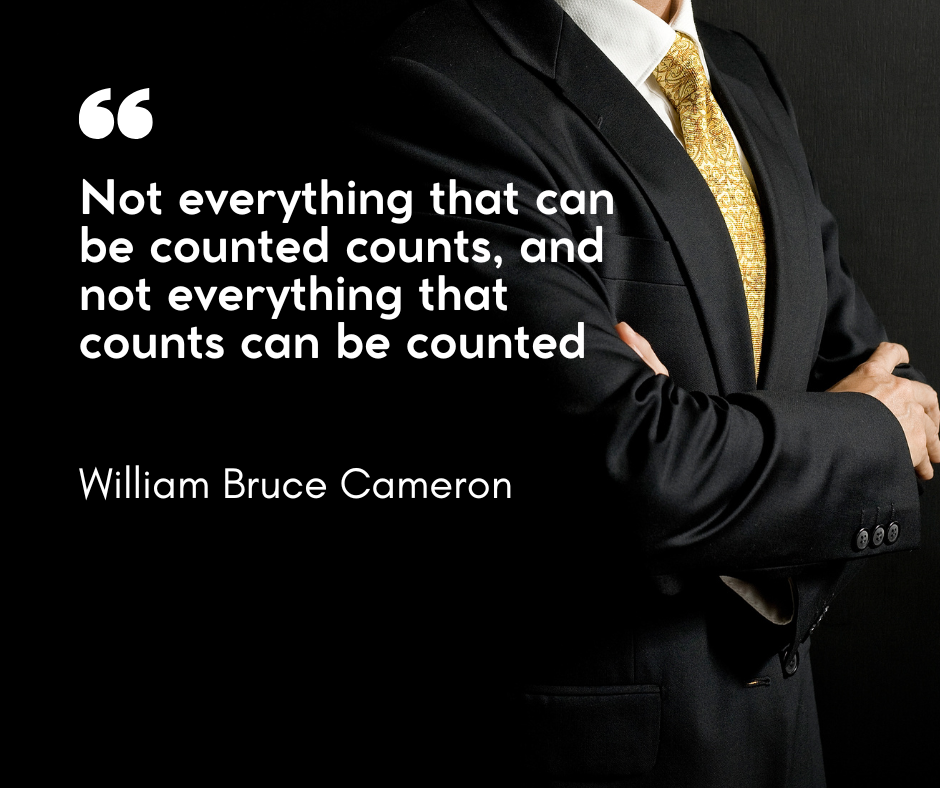
Surface-level metrics aren’t inherently bad. They just need to be part of a bigger picture. Use them to measure top-of-funnel activity, but always pair them with value metrics to understand full-funnel performance.
For example:
- Pair video views with average watch time and click-through rate.
- Pair follower growth with engagement-to-action ratio.
- Pair email open rate with conversions from the email.
How to Shift Toward Metrics That Matter
So how do you avoid the trap?
1. Define Your Real Goals Before picking your metrics, ask: What does success actually look like? More leads? Higher retention? Better sales conversion?
2. Audit Your Current Metrics List what you’re tracking. Then mark which are surface-level vs. value. You’ll probably find you’re spending way too much time reporting on the former.
3. Align Teams Around Value Make sure sales, marketing, and leadership agree on what matters. Shared definitions = shared outcomes.
4. Build Smarter Dashboards Use tools like Google Analytics 4, HubSpot, or Looker Studio to create visual dashboards that surface meaningful trends—rather than just “feel-good” numbers.
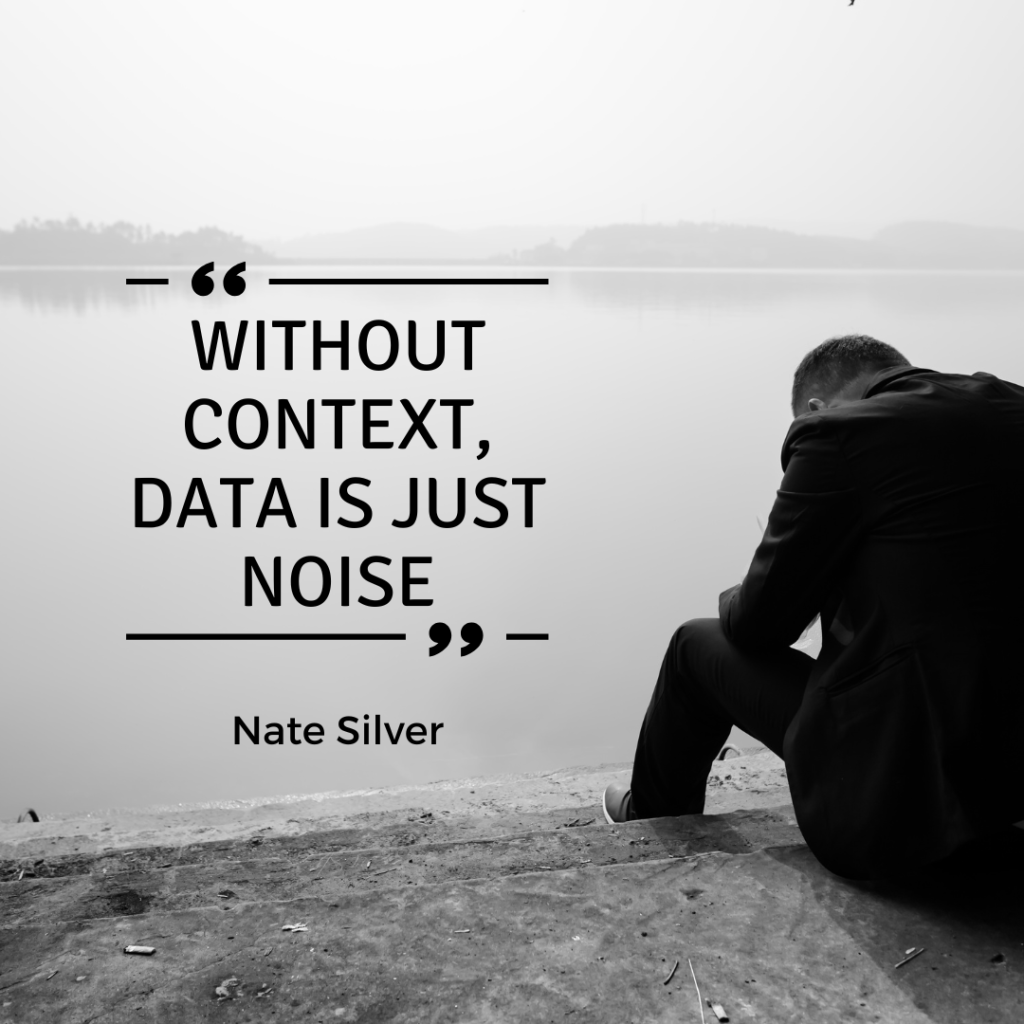
5. Tell Better Stories With Data Don’t just show charts—explain what they mean. Add commentary to reports. Highlight patterns, outliers, and impact.
Final Thoughts: Traction Over Attention
Surface-level metrics might win applause, but they rarely win business.
Looking to cut through the noise and focus on metrics that actually grow your business? Bernardoni Media & Marketing helps brands like yours build strategies grounded in results, not vanity. Let’s make your marketing mean more.
The brands that thrive aren’t chasing virality—they’re building traction. They’re measuring what matters and adjusting based on insights, not ego.
So, the next time someone brags about their Instagram likes or blog traffic spike, ask them: “Cool…but what did it do for the business?”
Because in marketing, attention is cheap. Traction? That’s the real flex.
 The Bernardoni Brief
Leave a comment