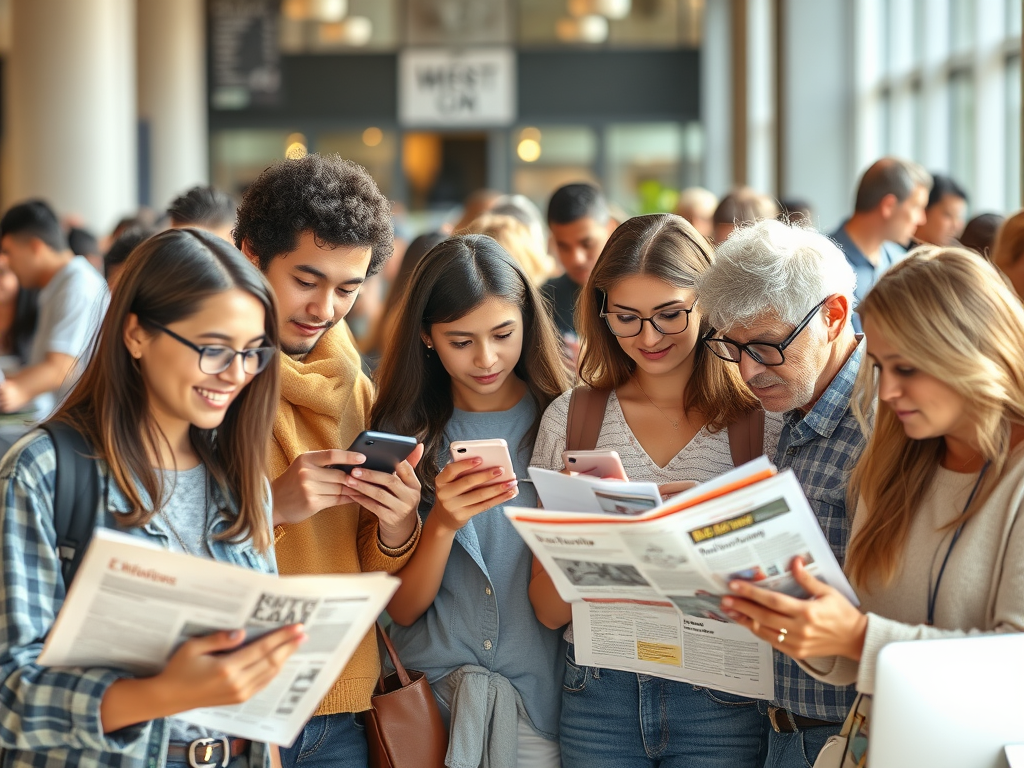
In a world where we’re bombarded with more information in a day than our grandparents saw in a month, media literacy isn’t just a nice-to-have skill—it’s basic survival gear. Yet despite its importance, most American schools and conversations barely touch on it.
If you liked our guide to spotting fake news, this is the next step—how to build real, everyday media literacy.
Think about it: we teach kids how to solve quadratic equations but not how to decode a sponsored Instagram post. We require driver’s ed before giving out car keys, but we hand over smartphones with unlimited internet—no guidance, no guardrails. That doesn’t add up.
What Exactly Is Media Literacy (Without the Academic Jargon)?
Put simply, media literacy is the ability to access, analyze, evaluate, and create media in different forms. It’s about understanding not just what media says, but how and why it says it—and what it might leave out.
Being media literate doesn’t mean distrusting everything. It’s about healthy skepticism—the skill to sort fact from fiction, journalism from propaganda, and genuine content from disguised ads.
Five Critical Media Literacy Skills Americans Are Missing
Skill #1: Recognizing How Media Shapes Reality
Most people consume media without realizing how it shapes what they see as “reality.” The stories that fill our feeds become the stories we think matter most.
Reality Check:
When major news networks spend 70% of their airtime on crime, celebrity gossip, and political drama, those topics start to feel more important than they actually are.
Skill-Building:
For one week, jot down what dominates your news feed. Then ask yourself:
“Does this really reflect what’s happening in my community and the world?”
Skill #2: Identifying Who Owns and Controls Media
Few Americans can name who owns the media they watch or read—let alone how that ownership shapes content.
Reality Check:
Just six media conglomerates control about 90% of the media in the U.S. That’s a lot of influence in very few hands.
Skill-Building:
Take a minute to look up who owns your favorite news sources or social media platforms. Follow the money—do they have other business interests that might sway what stories get told?
Skill #3: Distinguishing Between Types of Content
It’s surprisingly hard to tell the difference between reporting, analysis, opinion, entertainment, and advertising—especially when these lines are blurred on purpose.
Reality Check:
In 2018, Pew Research found that only 26% of Americans could consistently tell factual statements from opinions in news stories—a striking sign of how media literacy was lagging. Since then, newer studies show some improvement, with average accuracy rising to around 64%, though performance still varies widely depending on the statement and the individual. The takeaway? We’ve made progress, but critical thinking remains an essential—and uneven—skill.
Skill-Building:
Practice labeling what you’re reading: “This is straight reporting,” “This is analysis,” “This is opinion,” or “This is entertainment disguised as news.” Watch for loaded language like “should,” “ought,” “best,” or “worst” as clues.
Skill #4: Understanding How Algorithms Shape Our Experience
Most of us don’t realize how algorithms decide what we see online—filtering out or highlighting content in ways that reinforce our existing views.
Reality Check:
Your social media feed, YouTube suggestions, and even Google results are curated to keep you engaged—not necessarily informed or exposed to other perspectives.
Skill-Building:
Periodically search for topics using a neutral device or private browsing. Compare those results to your usual feed. Notice the differences—that’s your algorithmic bubble.
Skill #5: Creating and Contributing Responsibly
Media literacy isn’t just about what you consume—it’s also about how you share and create.
Reality Check:
If you have a social media account, you’re a publisher. Your reach is bigger than you think—no printing press required.
Skill-Building:
Before you share something, pause:
“Is this accurate? Do I have enough context? Would I stand behind this in a real conversation?” That moment of reflection can save you—and your friends—lots of headaches.
Why Media Literacy Matters Beyond Politics
Sure, political misinformation gets the headlines. But media literacy also shapes how you navigate:
- Health Decisions
Without it, you might fall for miracle cures, misunderstand health studies, or mistake ads for medical advice. During the pandemic, those with strong media literacy skills were better equipped to question misleading health claims. - Financial Wellness
Media literacy helps you spot predatory financial advice, see through FOMO-driven marketing, and recognize when “investment tips” are more about profit for the promoter than for you. - Everyday Consumer Choices
From fake reviews to scarcity marketing, media literacy lets you see through hype and avoid making choices based on manipulation.
Media Literacy in Action: Five Everyday Practices
The good news? These skills aren’t rocket science. Start small:
✅ Check Multiple Sources
Don’t rely on one news outlet—cross-check across different viewpoints.
Pro Tip: If you usually read The New York Times, try The Wall Street Journal too. Balance matters.
✅ Follow the Money
Ask: “Who paid for this content? Who benefits if I believe this?”
Pro Tip: Look for disclosures in articles and dig into who owns the platforms you trust.
✅ Look for Primary Sources
Don’t just accept secondhand takes—find the original reports, studies, or statements.
Pro Tip: Use Google Scholar or government websites for raw data and official documents.
✅ Check Your Emotional Response
Strong emotions can cloud critical thinking.
Pro Tip: Make a personal “24-hour rule” for sharing content that riles you up—give it time before you pass it along.
✅ Use Fact-Checking Resources
Fact-checking sites aren’t perfect, but they’re great tools.
Pro Tip: Bookmark sites like FactCheck.org, PolitiFact, and Reuters Fact Check. Understand their strengths and limits.
Teaching the Next Generation
The best way to build a healthier media culture? Teach these habits early.
For Parents:
- Model mindful media habits—put down your phone too!
- Ask kids open-ended questions like: “Why do you think they made this ad?”
- Help them see the difference between entertainment and information.
For Educators:
- Weave media literacy into existing lessons—history, science, even math.
- Have students create media, not just consume it.
- Use current events to spark critical conversations.
The Bottom Line: Media Literacy is a Civic Responsibility
Media literacy isn’t about distrusting everything—it’s about verifying before trusting. It’s not just personal—it’s about protecting the integrity of our shared information space.
Every time you share without checking, you’re adding to the misinformation mess. But every time you pause and think critically, you help build a stronger, more informed community.
No need to stress—start small, keep asking questions, and you’re already ahead of the game.
 The Bernardoni Brief
Leave a comment