
By Bill Bernardoni
The House passed it by voice vote. More than 60 senators have signed on. And it could still die in December because one senator objects.
If you’ve ever been in a small-market control room when a tornado warning drops, you know what the next few minutes feel like. The tones go out. The phones light up. Somebody is reading the warning live, county by county, and somewhere out on a township road a farmer with the cab radio on is hearing it before his phone buzzes, if it buzzes at all.
That’s the part of the AM radio fight that gets lost in Washington.
The AM Radio for Every Vehicle Act passed the House by voice vote on Sept. 15. It has sat on the Senate calendar ever since. Its Senate version has more than 60 bipartisan cosponsors, Radio Ink reported, enough to beat a filibuster. And it still might not pass.
Here’s my take. A bill this popular shouldn’t die on a calendar. The Senate should vote on it before this Congress ends.
Why One Senator Can Stop It
Sen. Chuck Grassley put it plainly earlier this month, per Radio Ink: the bill needs either unanimous consent, where one objection can stop it, or a ride on year-end legislation like a tax bill, a rural health package, or appropriations. If that doesn’t happen before the new Congress is sworn in, the bill dies and everyone starts over.
The lame duck is crowded. Spending bills, tax deadlines, and everything that didn’t get done before the election all compete for the same few weeks of floor time. A bill that almost nobody opposes can still get left behind if nobody pushes it to the front.
The money says both sides know it. Automakers and their allies spent about $6.3 million on third-quarter lobbying in filings that cite the bill, Radio Ink reported. Broadcasters’ filings citing it total about $3.7 million, led by the National Association of Broadcasters, which spent $2.7 million on lobbying in the quarter, up 6% from a year earlier.
That’s not a trade-group talking point. It’s a calendar problem.
The Automakers Have a Case
I’ll be fair to the other side, because they’re not villains.
Automakers argue that electric motors interfere with AM reception and that fixing it costs money and engineering time. They point out that drivers get alerts through FM, phones, and connected-car systems. Several have already dropped AM from some models, Radio Ink noted. And there’s a fair question underneath all of it: should Congress be telling carmakers what goes in the dashboard at all? I’m usually skeptical of Washington mandating equipment.
The bill takes some of that seriously. Before the Department of Transportation writes the rule, it has to publish a report on any effects on automotive innovation and the safety of self-driving systems, along with the fixes manufacturers could use. Small automakers get extra time to comply. Carmakers can meet it with digital AM receivers. The bill also orders a GAO study of how emergency alerts actually reach people, including at night.
That’s a reasonable middle, and no blank check for broadcasters.
Why Rural Drivers Care
Here’s where I land, and it’s not because I love AM for nostalgia’s sake.
I’ve run boards and worked in station leadership. Out here, cell coverage still drops between towns. Power goes out in storms. AM signals carry a long way, and in a lot of rural counties the local AM station is still the one with a person on the air when the weather turns. That’s part of why local news still sells here.
It isn’t just broadcasters saying so. The firefighters’ union, the fire chiefs, and the American Farm Bureau Federation all filed lobbying reports citing the bill, according to Radio Ink.
The alert system is built on redundancy, too. Just this week, Radio World reported that SiriusXM resumed weekly EAS tests on a channel many states use as a backup source for national alerts. FEMA and the FCC run a nationwide EAS test on Nov. 17. Redundancy is the point. You don’t pull one path out of the car because the others usually work.
The Bottom Line
Reasonable people can disagree about mandates. But this bill already got its argument. It passed the House, it has a filibuster-proof list of Senate cosponsors, and it includes a report on the automakers’ concerns.
What it hasn’t gotten is a vote.
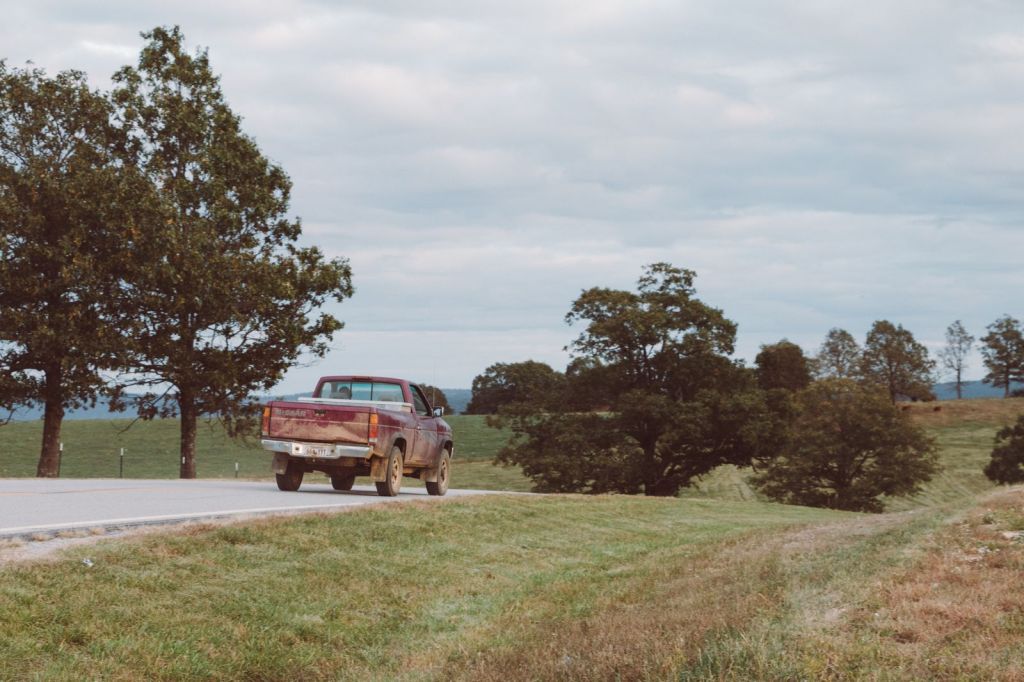
Let the Senate vote. Don’t let one objection in a lame duck decide what’s in the dashboard of every farm truck in Illinois.
Bill Bernardoni is the founder of Bernardoni Media & Marketing in Ottawa, Illinois, and co-host of America at 250: Due Diligence with former Voice of America White House bureau chief Steve Herman.
Keeping an AM station strong for rural listeners? Let’s talk it through.


Leave a Reply