
By Bill Bernardoni
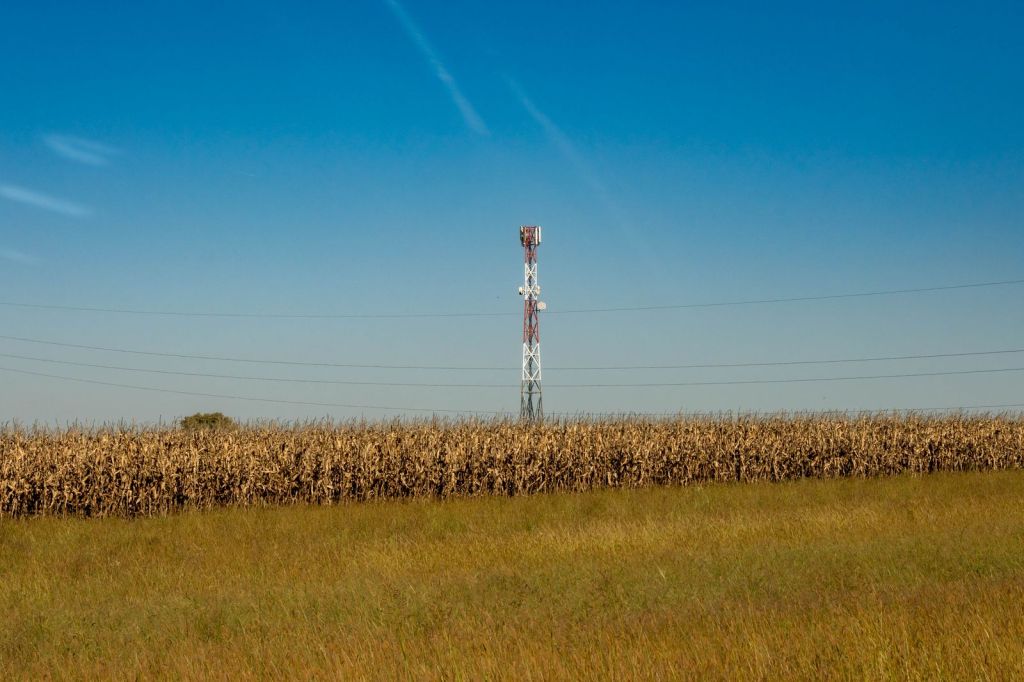
Every small-market radio person knows the moment. The engineer walks into the GM's office with the tower lease, or the inspection report, or the letter saying the site is being sold. Nobody in that room is talking about programming anymore. They're talking about whether the station has a future.
That's why a petition most listeners will never hear about is worth a few minutes of your time.
This week the FCC's Media Bureau opened a rulemaking, MB Docket 26-303, on a proposal from broadcast engineer Charles M. Anderson. It would make it easier for FM stations to move onto towers that already exist. Comments are due Dec. 14. Replies are due Jan. 13, 2027.
It sounds like engineering trivia. For a lot of small stations, it's a balance-sheet question.
What the Rule Says Now
FM stations have to sit a minimum distance from other stations on the same or nearby channels so they don't step on each other. The FCC already lets some stations get closer than that if they use directional antennas and protect the other station's coverage. But Section 73.215(e) sets a hard floor. Below that distance, the answer is no, even if the engineering shows the move wouldn't hurt anybody.
Anderson first asked the FCC to delete that floor in February. After talking with engineering leaders, he amended it in June. Now he's asking for a narrower fix: a new subsection, 73.215(f), that would allow an exception when a station shows it would cause no greater interference to its short-spaced neighbors than it would at the minimum distances already in the rules. Stations would still have to meet the existing contour-protection standards.
That's not deregulation for its own sake. It's a "show your work" exception.
Why the Tower Decides the Budget
Anderson put the problem plainly. "Construction of new towers in many markets is no longer viable due to land and tower costs and severe zoning and environmental constraints," he wrote, according to Inside Radio.
He's right, and it's worse in small markets. A big-city cluster can spread a new tower across five or six stations and a national sales team. A single FM in a farm town can't. When the old site goes away, the choices are pay for a tower you can't afford, accept a worse signal, or go dark.
His best example is a rural Alabama station that wanted to upgrade from Class A to Class C3 at the tower it already used. The FCC denied a waiver because the site was 0.44 kilometers, about 1,441 feet, short of the required spacing from a first-adjacent station. Per the petition, the upgrade would have reached 58,820 more people and grown its coverage population 192%, without prohibited contour overlap. Building a new tower somewhere else cost too much, so it didn't happen.
That's 58,820 people who could have had a stronger local signal, lost over the length of about four football fields.
Anderson also points out that noncommercial FMs in the reserved band aren't held to the same restriction, even though, as he says, there's no real difference in how the signals travel. If the physics is the same, the rule should probably be the same.
The Interference Worry Is Real
The other side has a fair point, and it deserves a straight answer. The FM band is crowded. Every station that moves closer to a neighbor is a station that neighbor's engineer has to worry about. Spacing rules exist because "trust us, the study says it's fine" has burned people before, and a bright line is easier to enforce than a pile of competing engineering exhibits.
That's why the amended version matters. Anderson dropped the idea of scrapping the limit. The burden stays on the station that wants to move. If it can't prove the neighbor is no worse off, it doesn't get the exception. The FCC should hold that line, and the comment period is the place for engineers to say exactly what proof should be required.
Who's Backing It
The FCC says it received support letters from Alfred C. Liggins III, president and CEO of Urban One, and Lee Perryman, president and CEO of Marble City Media. That's a big urban group and a smaller operator agreeing on something, and in this business that doesn't happen often.
Why It Matters on the Ground
I worked as a morning show host in small-market radio, helping with news and hosting on music stations in towns most people drive through without noticing. Nobody there had a spare few hundred thousand dollars for a new tower. When a station loses its site in a town like that, the town loses its signal for weather, school closings, and high school football on Friday night.
The FCC has spent a long time handing out new FM allotments. Anderson's argument is that the band is mature now, and the priority should shift to helping the stations already on the air serve people better. I think that's right.
The Bottom Line
This is a small rule with a big effect on small stations. Keep the interference protection. Make the station prove its case. But if it can prove it, let it move to a tower that's already standing.
Comments are due Dec. 14 in MB Docket 26-303. If you run a small FM, or you engineer for one, this is your docket. Tell the FCC what an old tower costs you.
Bill Bernardoni is the founder of Bernardoni Media & Marketing and co-hosts America at 250: Due Diligence with Steve Herman.
Running a small FM and weighing a tower move? Let's talk it through.


Leave a Reply